COVID-19 – How to include marginalized and vulnerable people in risk communication and community engagement
COVID-19 – How to include marginalized and vulnerable people in risk communication and community engagement.

Community Engagement and Accountability includes risk communication, behavior change, according to IFRC guidelines.
COVID-19 – How to include marginalized and vulnerable people in risk communication and community engagement.
These documents offer guidance on how to understand prevention methods, the importance of good community engagement, why misinformation and fear can drive people away from living healthy, the key function of hand-washing in minimizing the spread of the virus, and communication and behavior change. Sneezing and spitting etiquette tools are also offered below.
RCRC Prevention and key messages and Risk Communication and Community Engagement Read More »
This Interim Guidance by IASC addresses specific needs and considerations required in humanitarian situations, including camps and camp-like settings and the surrounding host communities, in scaling-up readiness and response operations for the COVID-19 outbreak through effective multi-sectoral partnership. The Guidance is developed in alignment with the WHO COVID-19 Strategic Preparedness and Response Plan (link: https://www.who.int/publications-detail/strategic-preparedness-and-respo…),

Ombretta Baggio, IFRC Senior Advisor, Community Engagement and Accountability In more than two months, the number of people confirmed to have been infected with the new coronavirus disease (COVID-19) has risen to over 400,000 and continues to climb. We have watched the narrative start from a place of anxiety and move to action; from fear
Tackling Social Stigma Around COVID-19 Read More »
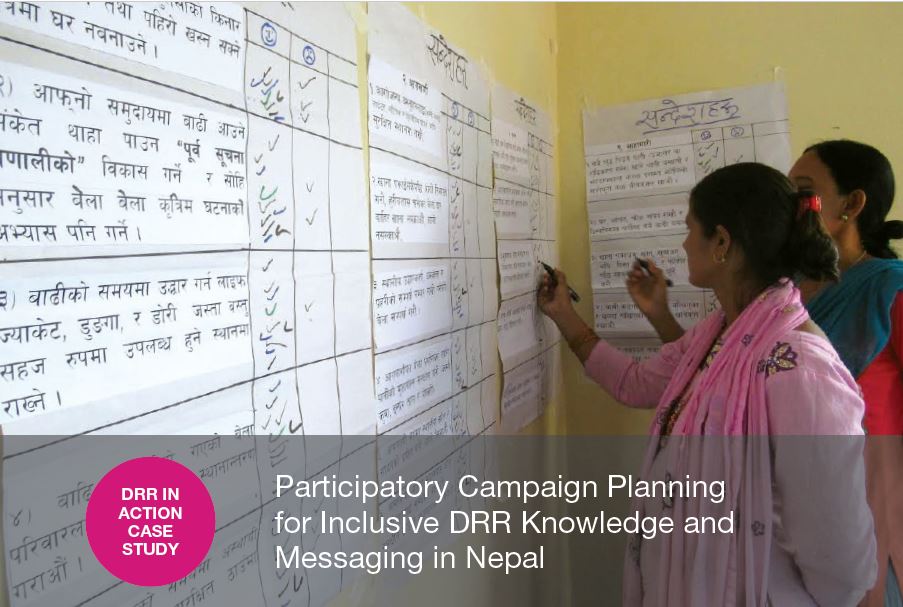
The Strengthening Urban Resilience and Engagement (SURE) program developed a Participatory Campaign Planning (PCP) process to improve disaster messaging and increase awareness of disaster risks and mitigation measures among vulnerable groups in Nepal. The project included a series of interactive workshops to determine which messages and means of communicating would most effectively reach each of
Participatory Campaign Planning for Inclusive DRR Knowledge and Messaging in Nepal Read More »
In May 2018, the International Federation of the Red Cross and Red Crescent Societies (IFRC) in collaboration with the Kenyan Red Cross (KRCSS) conducted the Blockchain Open Loop Payments Pilot Project in Isiolo County, Kenya, assisting over two thousand households affected by drought. The objective was to explore the risks and benefits of blockchain technology
Blockchain Open Loop Cash Transfer Pilot Project Read More »
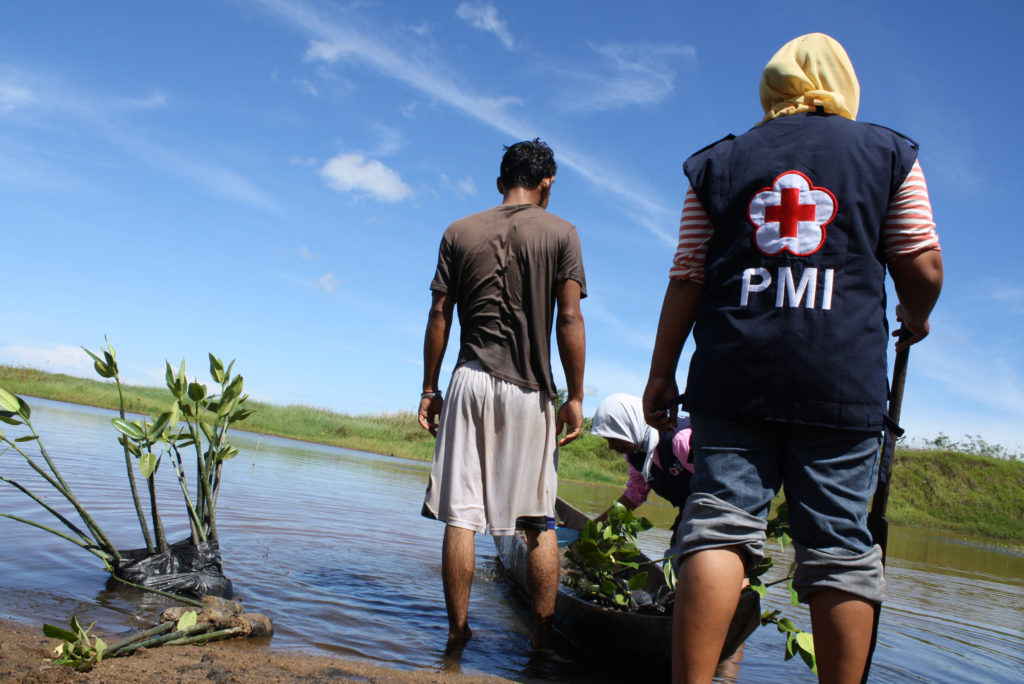
Floods affect more people globally than any other type of natural hazard and they cause some of the largest economic, social and humanitarian losses. In 2013, Zurich Insurance, the International Federation of Red Cross and Red Crescent Societies (IFRC), Practical Action, Wharton Risk Management, and the International Institute for Applied Systems Analysis (IIASA) formed the Flood
The Flood Resilience Alliance (2013-2017) Read More »
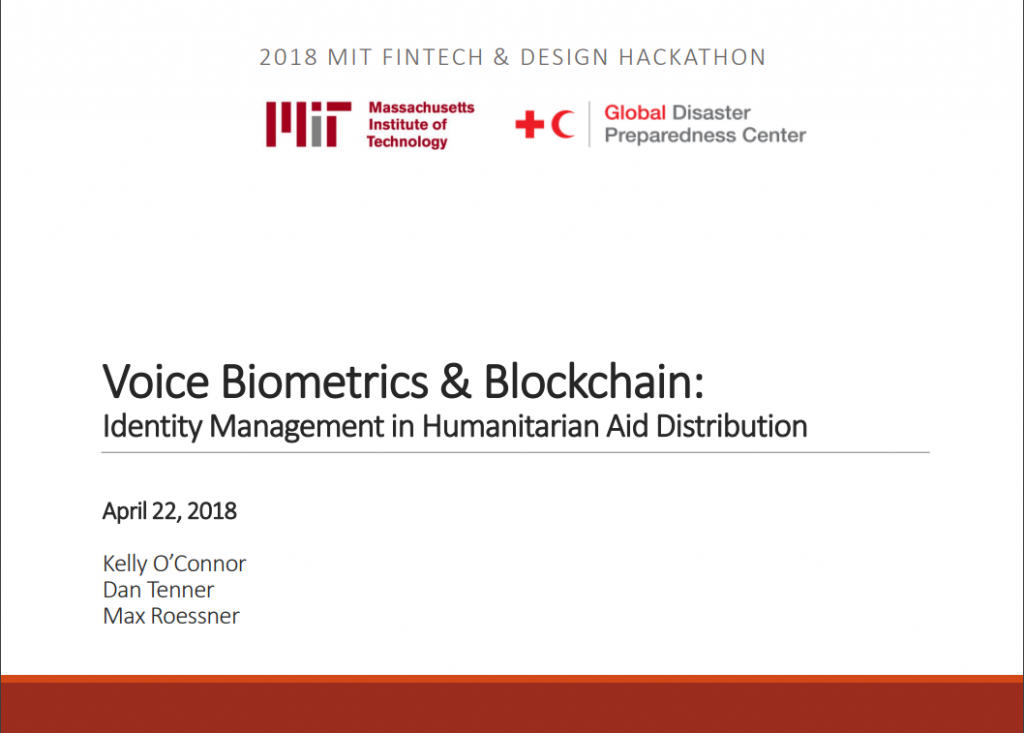
Massachusetts Institute of Technology (MIT) in collaboration with Members of the Global Disaster Preparedness Center, International Federation of Red Cross and Red Crescent Societies (IFRC), and Red Cross Climate Center (RCCC) presented the MIT-Humanitarian-Hack in April 19 to 22 in Boston. Selbst was the winner project related to Voice Biometrics & Blockchain: Identity Management in
Voice Biometrics & Blockchain: Identity Management in Humanitarian Aid Distribution Read More »
In 1980, Mount St. Helens experienced a major volcanic eruption. More than 57 people were killed as a direct result of the eruption, which experts believe to be one of the most disastrous in United States history. While the eruption itself was a dramatic and quick-moving event, it wasn’t without warning. In fact, for the
The Importance of Mental Preparedness Prior to a Major Natural Disaster Read More »
This paper examines the dynamics at play in ongoing efforts to cultivate negotiation capacity among professionals working in the humanitarian sector. Based on extensive interviews conducted with humanitarian practitioners, this paper addresses three overarching issues. The first is humanitarian professionals’ current understanding of humanitarian negotiation as a concept. On this issue, the paper examines the
The Humanitarian as Negotiator Read More »