Americas

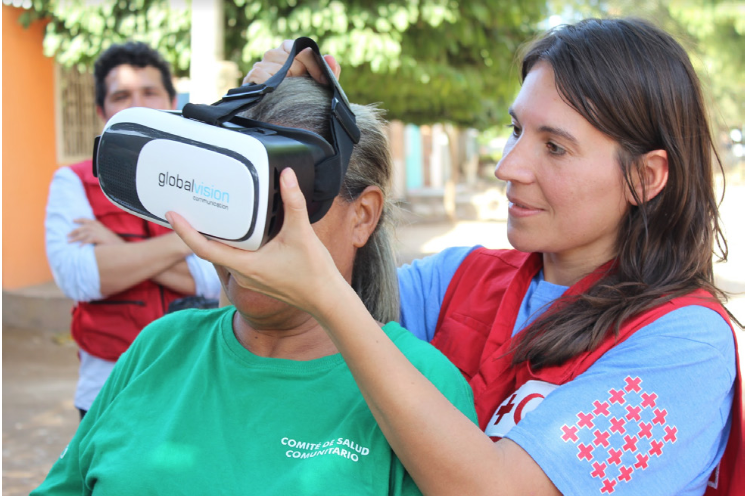
Cases of Blended First Aid Training in Red Cross National Societies

This short resource brings together the blended learning stories and experiences of seven National Societies in the RC/RC network practicing blended first aid training. Each case study highlights an element of the innovation that is happening in first aid training in RC/RC National Socieites. It is clear that there is a good deal of innovative […]

Cases of Blended First Aid Training in Red Cross National Societies Read More »

Bad Statistic

Bad Statistic A bad statistic refers to the misuse of either useful or un-useful numerical data. The information provided to the reader misleads the reader in case he has no much information about the statistics. The reliability of statistics is crucial in ensuring the precision of a particular analysis. There are various techniques to ensure

Bad Statistic Read More »

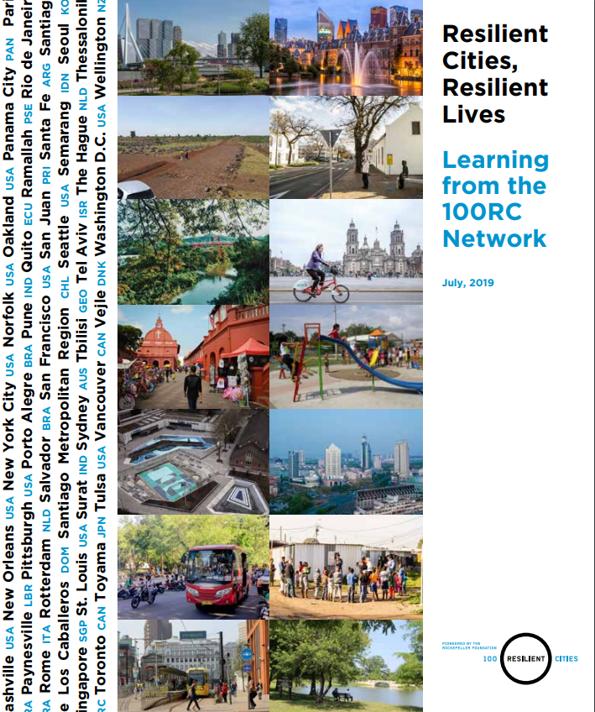
Resilient Cities, Resilient Lives Learning from the 100RC Network

In the six years since the creation of 100 Resilient Cities, more than 70 cities have published Resilience Strategies containing over 3,000 initiatives. To date, more than US$25 billion has been catalyzed by 100RC member cities toward the resilience agenda, and the world’s leading development financial institutions are building resilience criteria into how large-scale infrastructure projects

Resilient Cities, Resilient Lives Learning from the 100RC Network Read More »

WMO Statement on the State of the Global Climate in 2018

The World Metereological Organization (WMO) marks the twenty-fifth anniversary of the WMO Statement on the State of the Global Climate, which was first issued in 1194. The 2019 edition treating data for 2018 marks sustained international efforts dedicated to reporting on, analysing and understanding the year-to-year variations and long-term trends of a changing climate. Some

WMO Statement on the State of the Global Climate in 2018 Read More »

Heat Waves and Human Health: Emerging Evidence and Experience to Inform Risk Management in a Warming World

This report from the USAID-funded Adaptation Thought Leadership and Assessments (ATLAS) project examines efforts to better understand and manage the risks of extreme heat on human wellbeing, including the public health burden heat poses and the direct and indirect impacts of heatwaves. The assessment was made in support of the Climate Service for Resilient Development

Heat Waves and Human Health: Emerging Evidence and Experience to Inform Risk Management in a Warming World Read More »

Community Impact Study of International Youth Preparedness Program – The Pillowcase Project

The Pillowcase Project is a school-based disaster preparedness education program first implemented in the wake of Hurricane Katrina in 2005 by American Red Cross volunteers in Louisiana, before being rolled out in 7 countries across the world. Originally designed for children aged 8 to 11 (grades 3–5), it provides key preparedness messages combining coping skill

Community Impact Study of International Youth Preparedness Program – The Pillowcase Project Read More »

The Role of Businesses in Community Recovery

Business play a vital role in supporting community recovery following a disaster and maintaining operations during an extreme event is fundamental to community resilience. Businesses that stay open or reopen quickly provide much needed services and employment, without which communities cannot recover. For businesses that can, providing direct support to their community further deepens those

The Role of Businesses in Community Recovery Read More »

Scroll to Top