
IFRC Tech-Bio Hazards Roadmap – Workplan – Background
IFRC Tech-Bio Hazards Roadmap – Workplan – Background
IFRC Tech-Bio Hazards Roadmap – Workplan – Background Read More »

IFRC Tech-Bio Hazards Roadmap – Workplan – Background
IFRC Tech-Bio Hazards Roadmap – Workplan – Background Read More »

This European Standard contains terms and definitions for CBRNE (chemical, biological, radiological, nuclear, explosive) applications. Common understanding and communication is important in the implementation of an effective CBRNE response and this communication will be most effective if there is common understanding of the terms used. Many of the terms and definitions listed here have been

Technological Emergencies triggered by natural hazards (so called NATECH Events) become also more relevant with the increase of the frequency and strength of natural and climate related hazards. Different material from various organisations address the aspects of NATECH and provide guidance. Available in several languages.
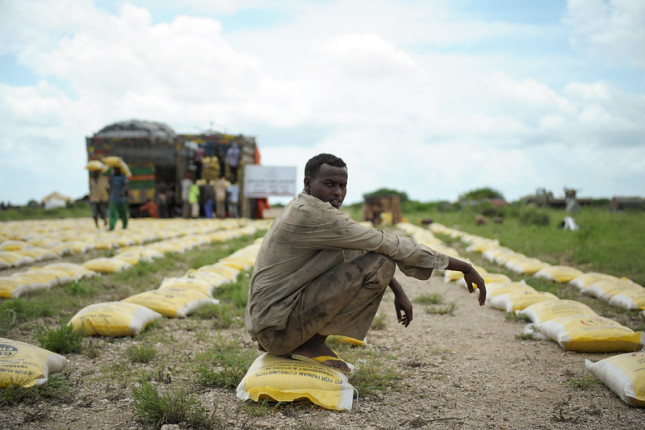
People living in places affected by violence disproportionately experience and are impacted by natural hazard-related disasters, yet they are often left without adequate early warning and response systems. Warnings are known to be best developed and implemented through people-centered approaches like coproduction. Coproducing warnings with affected populations as target end users is necessary for inclusive
Warnings in Violence and Conflict: Coproducing warnings with and for those most at risk Read More »
This research is carried out by Shamsu-Deen Ziblim1, Victor Mogre2, Sophia E.A. Kpebu2, Bright Y. Amoore2, Bruce A. Abugri2, Rayza Sison3, Laud Boateng3, Rajesh Vedathan3 with funding support from the Global Disaster Preparedness Center. The health risks of extreme heat hinge on not only on exposure but also on behavioral related, which are often related
Public Perception of the Health and Social Risks of Extreme Heat in Northern Ghana Read More »
This research is carried out by Niti Mishra1, Peehu Pardeshi2, Shivani Kaim1, Dipali Bar1, Bateswar Das1, Saurabhi Niroula1, Poulami Ganguli1, Muskaan Ahmed1. with funding support from the Global Disaster Preparedness Center. Recently, the year 2022 recorded extreme temperatures which were greatly unpredictable. Within the tropics, India underwent major heat stress during and before the summer months,
This research is carried out by Timothy Chambers1 with funding support from the Global Disaster Preparedness Center. Extreme temperatures have severe impacts on human health. In a climate that is projected to significantly warm in future, these impacts become exacerbated. Southern Africa in particular is a hotspot for future warming and combined with large populations
Towards Liveable Cities: Extreme Heat Distribution in South African Cities Read More »
This research is carried out by Nu Quy Linh Tran1,2, Thi Kim Hieu Ngo3, Thi Tuong Vy Nguyen3, Tran Ngoc Dang3, Son Nghiem4, Dung Phung5 with funding support from the Global Disaster Preparedness Center. The increased ambient temperatures worldwide have an adverse impact on health outcomes, includeng hospitalization risk. Vietnam is among the most vulnerable
This research is carried out by Anjali Joshi1, Sabina Marasini1, Sudim Sharma2, Lava Timsina3, Biraj Man Karmacharya1 with funding support from the Global Disaster Preparedness Center. The annual rise in global temperature has led to the evident impacts on lives of the most vulnerable population especially among the outdoor workers. It is a great deal
Executive summary The COVID-19 pandemic put pressure on the Norwegian welfare state and necessitated that the Norwegian Red Cross, as a preparedness and humanitarian organisation, found innovative ways to operate its humanitarian activities and how it responds to emergencies. This report describes how the organisation has mobilized massive resources in supporting the Norwegian public authorities
NorCross Pandemic Response in Norway, 2020 and 2021 Read More »