From Forecasts to Action: Strengthening Preparedness in Somalia
 June 25, 2026
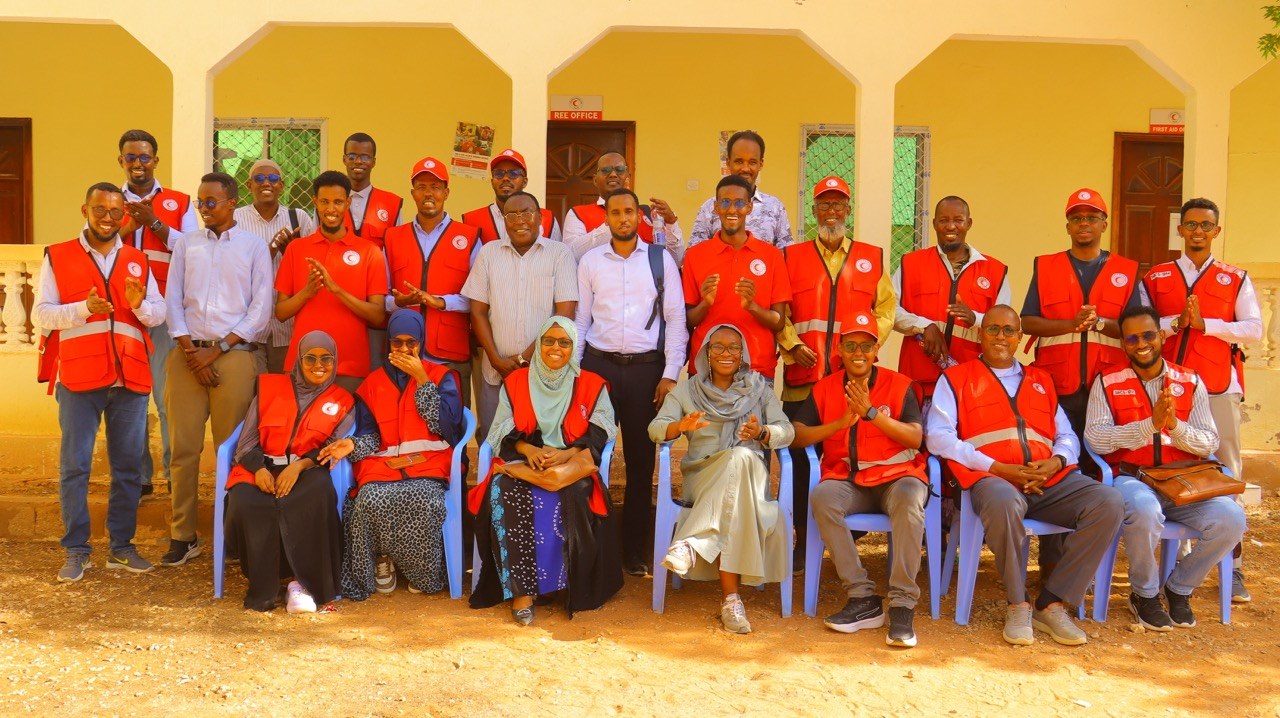
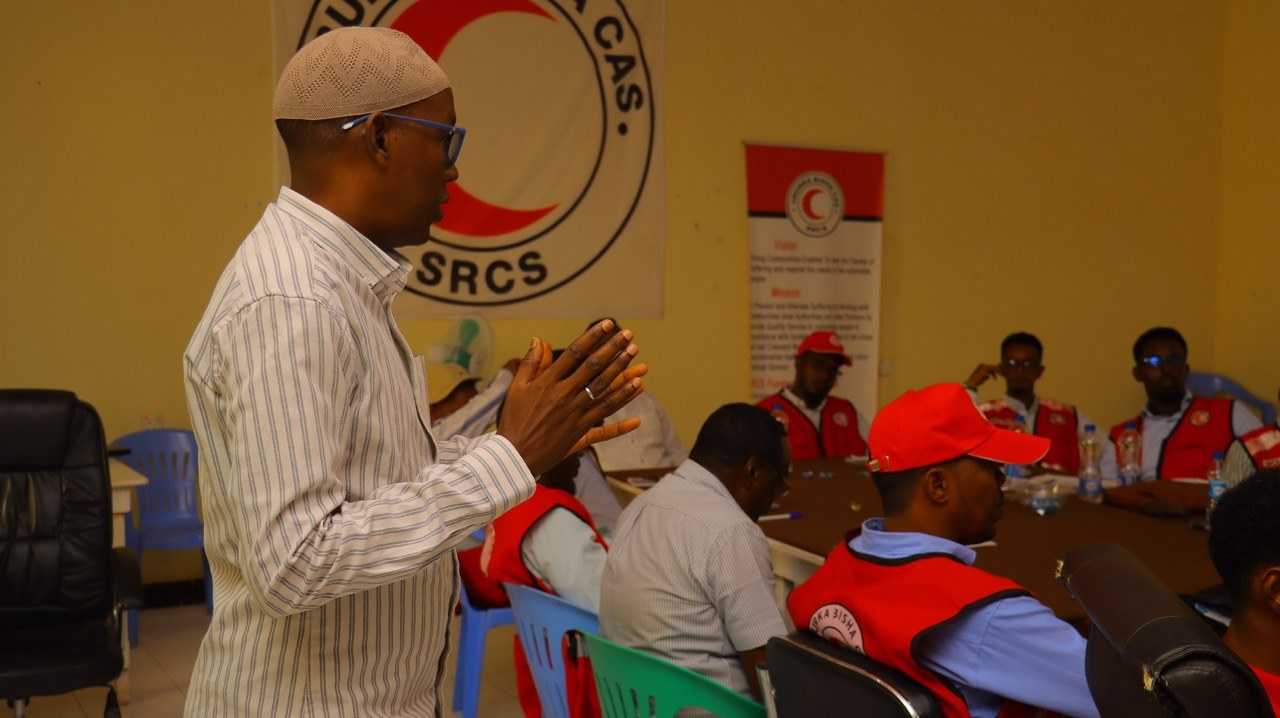
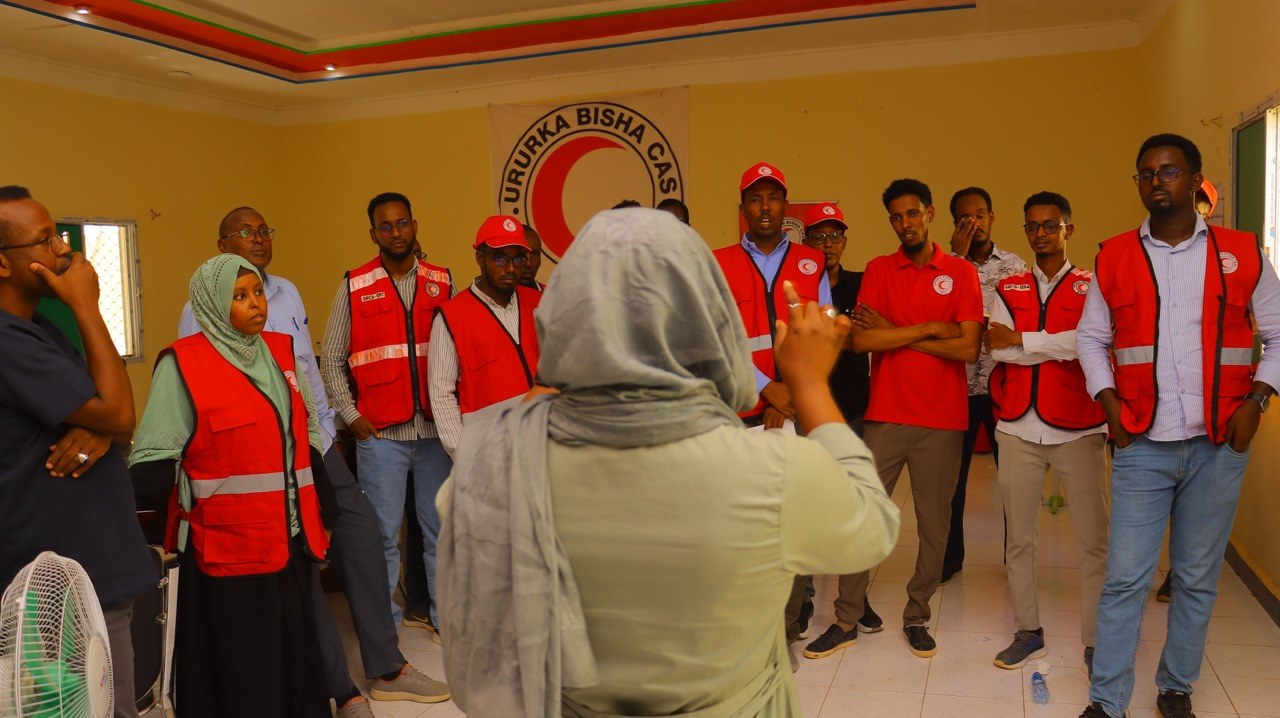
In April 2026, the Somali Red Crescent Society (SRCS), with support from the Finnish Red Cross and ECHO, brought together 27 staff members, volunteers, community representatives, and technical agencies in Dhusamareeb, Galmudug State, for a two-day contingency plan dissemination and flood anticipatory action tabletop simulation exercise.
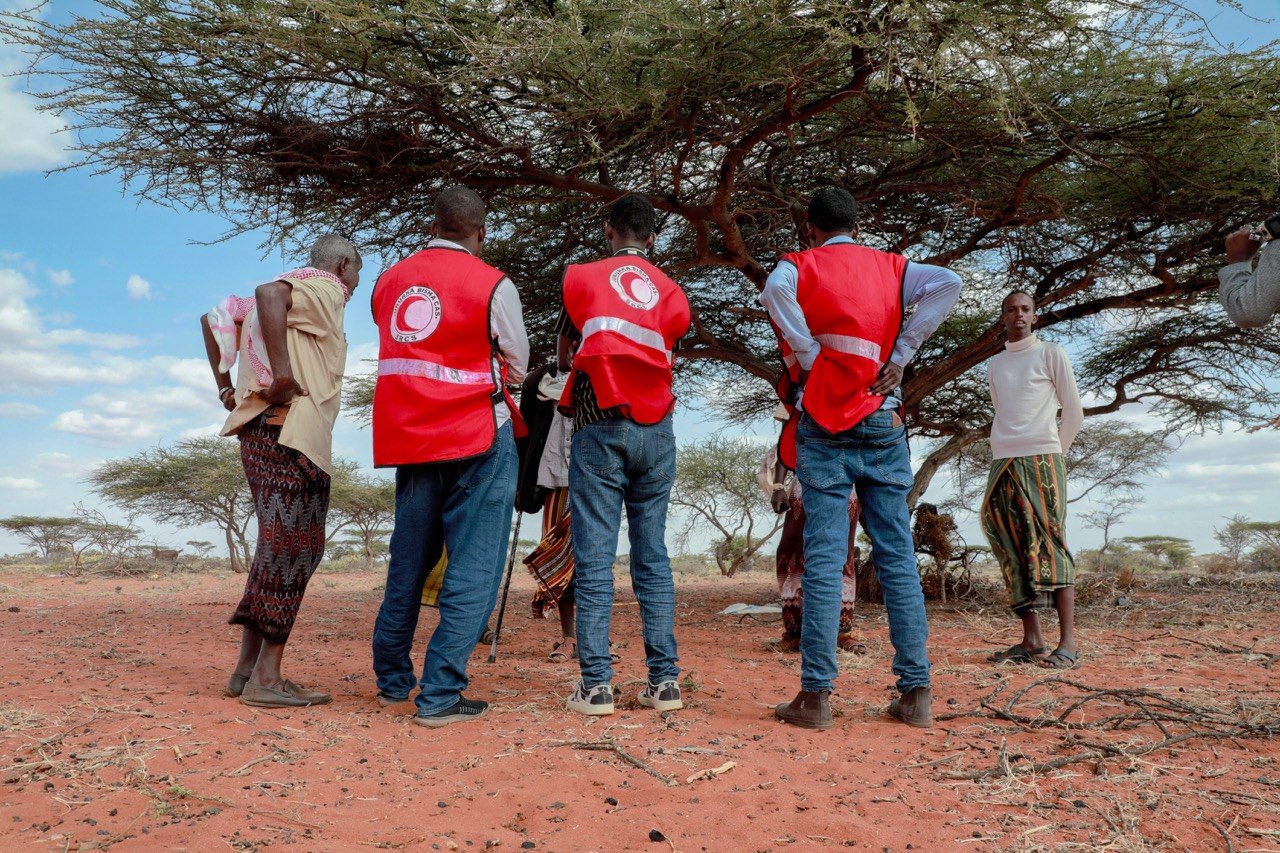
Located in the heart of the Galgaduud region, Dhusamareeb faces a complex combination of recurring droughts, flash floods, disease outbreaks, and conflict. Livelihoods depend heavily on livestock and seasonal rainfall, making communities particularly vulnerable to climate-related shocks. Against this backdrop, preparedness is no longer an option, it is a necessity.
“In Somalia, preparedness is not optional; it is essential,” according to Ali Sheikh Ibrahim, Disaster Risk Management Director of the Somali Red Crescent Society. “For many years, we responded during or after disasters. Now, humanitarian organizations are shifting from a reactive approach to a proactive one. Being prepared early, ahead of disasters, is critical.”
For Ruth Vani, Regional Disaster Risk Management Advisor for Africa at the Finnish Red Cross, preparedness goes far beyond contingency plans and emergency stocks. “Preparedness is ensuring that all levels of a National Society understand their roles and responsibilities before an emergency occurs,” she explained. "Everyone needs to be engaged so that they understand what their role is, who coordinates, and how preparedness works across the whole organization.”
In Somalia’s context, preparedness also means operating effectively amid conflict and insecurity. “Preparedness is not only about floods and droughts,” Ruth added, “it is also about understanding how to navigate conflict-affected environments while upholding the principles of neutrality and impartiality.”
Testing systems before a disaster strikes
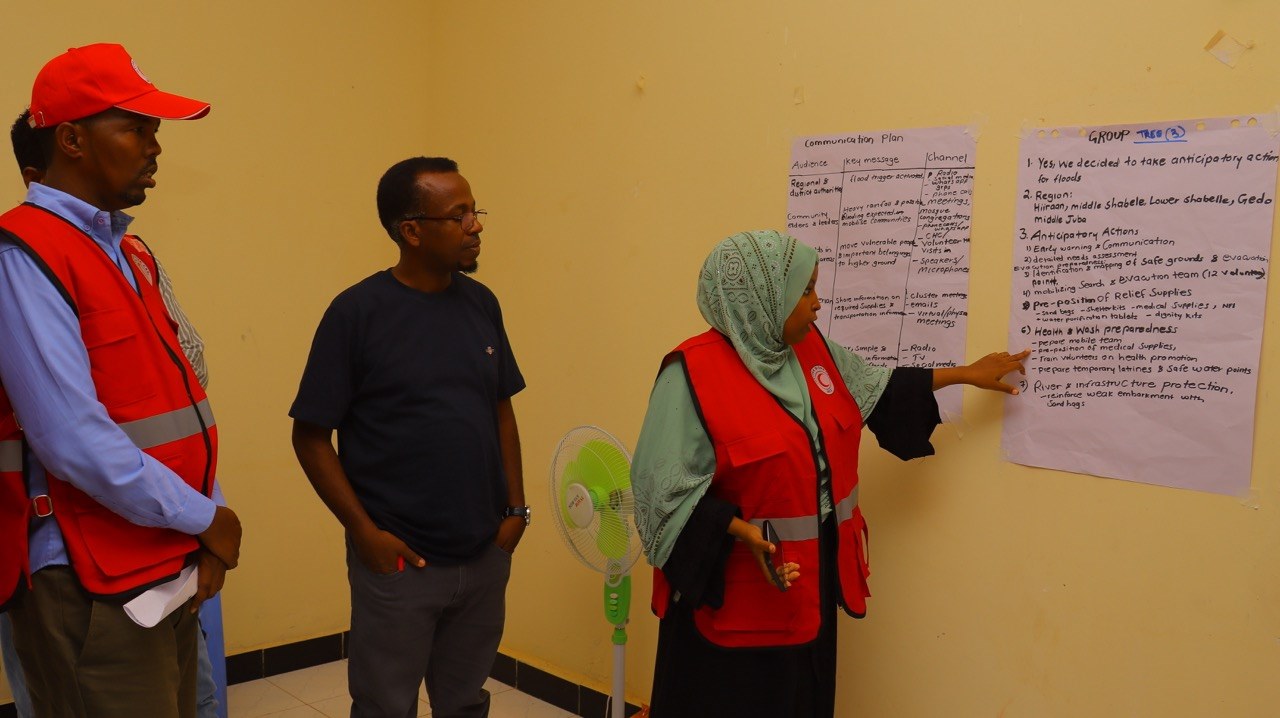
The exercise focused on strengthening branch-level preparedness and localization by linking contingency planning with early warning systems and anticipatory action. Participants reviewed the Dhusamareeb branch multi-hazard contingency plan and tested realistic flood scenarios ahead of the Gu rainy season. For the SRCS, the simulation was more than a training exercise. It was an opportunity to assess the readiness of volunteers, staff, coordination mechanisms, and communication systems.
“The simulation exercise helps us test our preparedness, coordination and early warning systems,” Ali explained. “It allows us to identify our strengths and the gaps we need to improve so that we can strengthen future interventions.”
Participants included SRCS volunteers and staff, community representatives, and technical experts from the Somali Disaster Management Agency (SODMA) and the Somalia Water and Land Information Management (SWALIM) programme, creating a valuable platform for joint learning and coordination.
As Ahmed Mohamed Ahmed, SRCS Deputy Executive Director, noted during the exercise: “The Dhusamareeb flood simulation demonstrated the power of coordination. When contingency planning is reviewed and practiced jointly, local teams and volunteers are better prepared to act early and respond effectively to flood risks.” The discussions reinforced several key ingredients for effective preparedness:
- Clear triggers linked to early action
- Defined roles and responsibilities
- Strong coordination and information-sharing mechanisms
- Trusted communication channels reaching communities
- Trained volunteers and community structures capable of acting early.
Turning forecasts into action
A key focus of the exercise was on understanding how early warning information moves from technical forecasts to practical action on the ground. Participants discussed how forecast information should be communicated, who is responsible for analysing and disseminating warnings, and how communities can receive information in ways they trust and understand.
Also, Ali emphasized that preparedness depends on strong coordination with public authorities and technical agencies. “Government meteorological and disaster management agencies provide updated forecasts and early warning information. Through coordination and information sharing, organizations can make better decisions, avoid duplication and respond more effectively.”
Communities at the centre
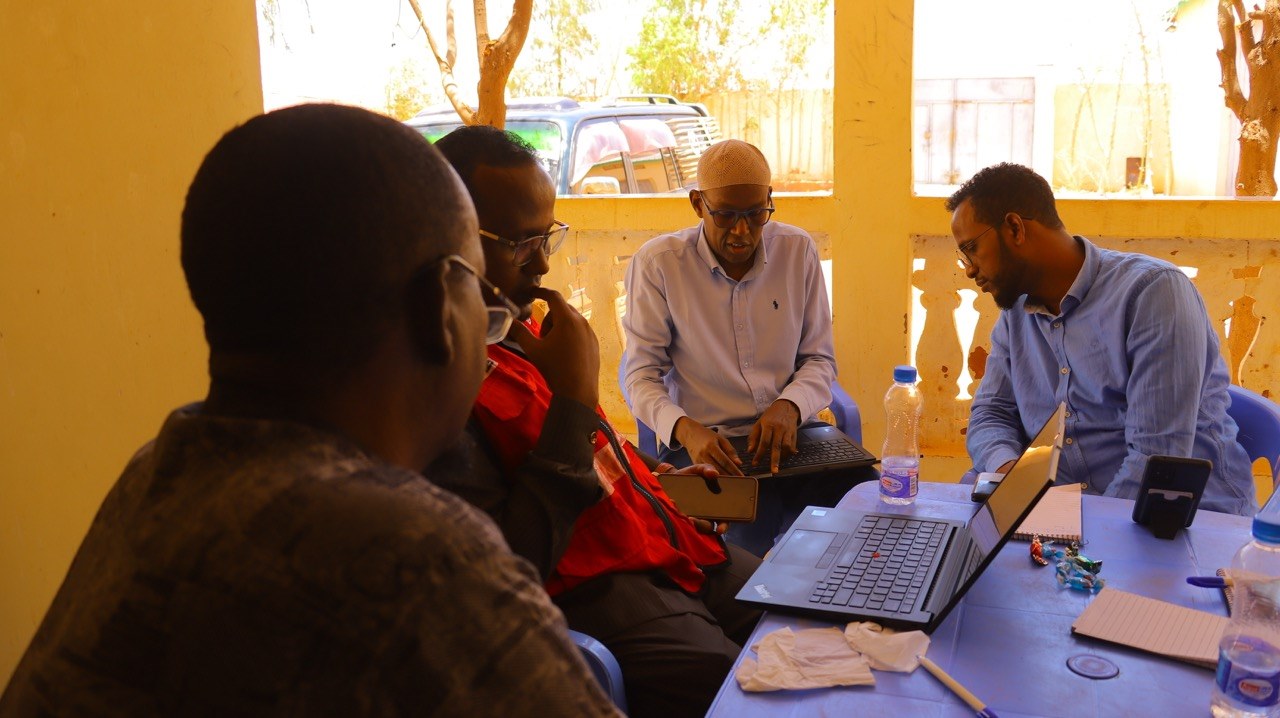
One of the strongest messages emerging from the exercise was the importance of community engagement. “Communities know their environment better than anyone else,” Ali stressed. “We cannot decide without them.”
Participants reflected on the importance of translating technical forecasts into simple, locally understood messages and delivering them through trusted channels. “You cannot simply pass technical information directly to communities,” Ali explained. “Messages need to be translated into language people understand, and they need to be communicated through trusted channels.”
Looking ahead
The exercise highlighted both progress and remaining challenges. While the SRCS benefits from an extensive network of trained volunteers, health teams, first aid teams and community structures, strengthening preparedness systems remains an ongoing journey.
Among the priorities identified were enhancing branch-level understanding of anticipatory action, improving information management systems, clarifying responsibilities across all levels of the organization, and continuing efforts to establish Emergency Operations Centre (EOC) capacities.
“The exercise helped identify where additional capacity building is needed. Recognizing those gaps is the first step towards strengthening preparedness,” noted Ruth.
Ali also highlighted the challenges ahead, including resource mobilization, humanitarian access, and the growing complexity of emergencies in Somalia. “The needs always exceed the available resources,” he said. “But strengthening partnerships, enhancing capacity and investing in preparedness will help us move forward.”
Despite these challenges, both speakers expressed confidence in the direction the SRCS is taking to strengthen their response capacity to support those who need it most in the event of a crisis or disaster.
The Dhusamareeb simulation exercise demonstrated how preparedness can transform forecasts into action. By strengthening partnerships, local capacities, clarifying roles and building stronger links between early warning and early action, the SRCS is becoming better prepared for the challenges ahead.
Credits
Written by: Olivia Acosta / Designed by: Miguel Aguirre / Photos: Somali Red Crescent Society (SRCS). This content was originally published in the IFRC National Society Preparedness Newsletter (June 2026)
More stories like this:
- The Ethiopian Red Cross’s Emergency Operations Centre Strengthens Crisis Response
- The Afghan Red Crescent Society enhances preparedness to meet growing humanitarian needs
- Building Stronger Preparedness: Lessons from the Hungarian and Slovak Red Cross
- Hurricanes in sight: the Red Cross always ready to save lives