Heat Wave

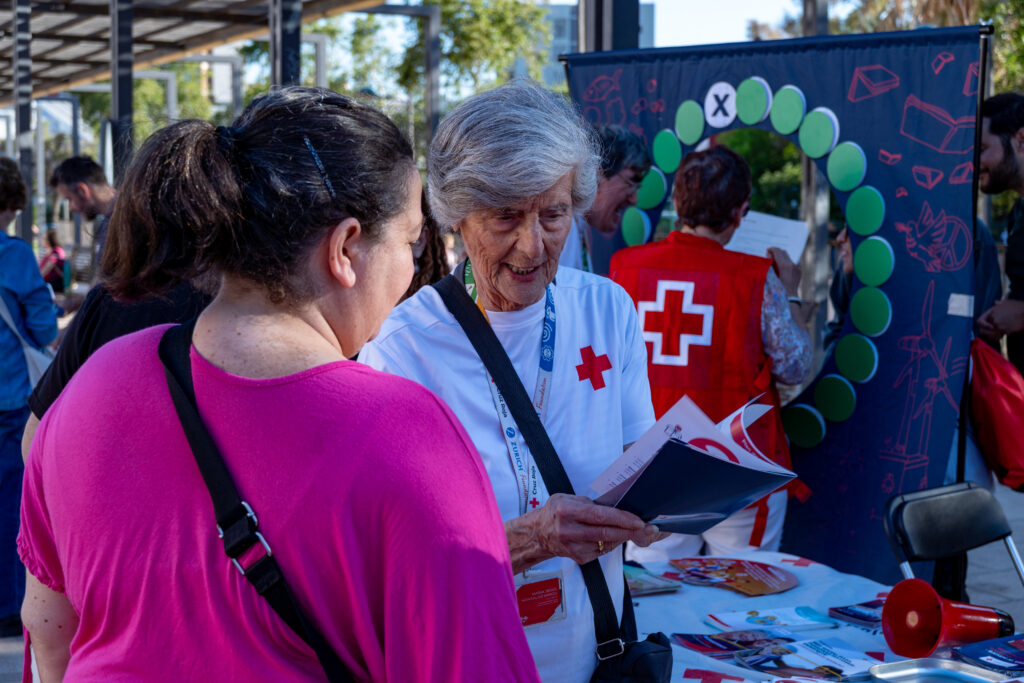
Measuring climate resilience in Madrid and Valencia

This report presents the findings of the Climate Resilience Measurement for Communities (CRMC) baseline assessment across target communities in Madrid and Valencia. It explains the resilience measurement approach and highlights key resilience gaps, strengths, and opportunities through data visualisations, key insights, and stakeholder perspectives. The report informed programme design and was launched publicly through a […]

Measuring climate resilience in Madrid and Valencia Read More »
Understanding the global landscape of heat early warning systems

This report provides a global overview Heat Early Warning Systems, examining where they exist, how they are designed and operated, and their challenges and opportunities. It assesses the state of systems through the four core pillars of early warning systems and enabling components, drawing on peer-reviewed and non-academic evidence. The Zurich Climate Resilience Alliance is

Understanding the global landscape of heat early warning systems Read More »

Heat in cities: Impacts of heatwaves and measures to mitigate risk

In a changing climate, many cities are experiencing higher temperatures and more frequent and severe heatwaves. The following six infographics by the USAID-funded Adaptation Thought Leadership and Assessments (ATLAS) project highlight key messages about heatwaves in cities, including the impacts of heatwaves and vulnerability to heat, as well as steps cities can take to understand

Heat in cities: Impacts of heatwaves and measures to mitigate risk Read More »

Urban Heat Governance: Assessing Institutional Capacity to Manage Extreme Heat in Cities of the Global South

Extreme heat is the deadliest climate hazard — yet it remains the least governed. This policy brief, produced by the IFRC Climate Centre in partnership with University College London, presents findings from an analysis of heat-related urban governance across 83 coastal cities in the Global South. The central finding is stark: despite rapidly escalating heat

Urban Heat Governance: Assessing Institutional Capacity to Manage Extreme Heat in Cities of the Global South Read More »

Community Heat Risk Perception Studies: Honduras, Indonesia, and Tanzania

This collection brings together four community-level research studies examining how urban populations perceive, experience, and respond to extreme heat. Published in late 2025, the studies were conducted as part of the Coastal City Resilience and Extreme Heat Action Project (CoCHAP) — a joint initiative supported by National Red Cross and Red Crescent Societies, the American

Community Heat Risk Perception Studies: Honduras, Indonesia, and Tanzania Read More »

Evidence-Based Communication Strategies for Protecting Communities from Extreme Heat

This series of guidance notes presents evidence-based communication strategies for protecting vulnerable communities from extreme heat, drawing on heat risk perception surveys conducted across five cities: Choluteca and San Lorenzo (Honduras), Surabaya and Medan (Indonesia), and Tanga and Unguja (Tanzania). Across all contexts, surveys consistently identify older adults, outdoor workers, pregnant women, people with pre-existing

Evidence-Based Communication Strategies for Protecting Communities from Extreme Heat Read More »

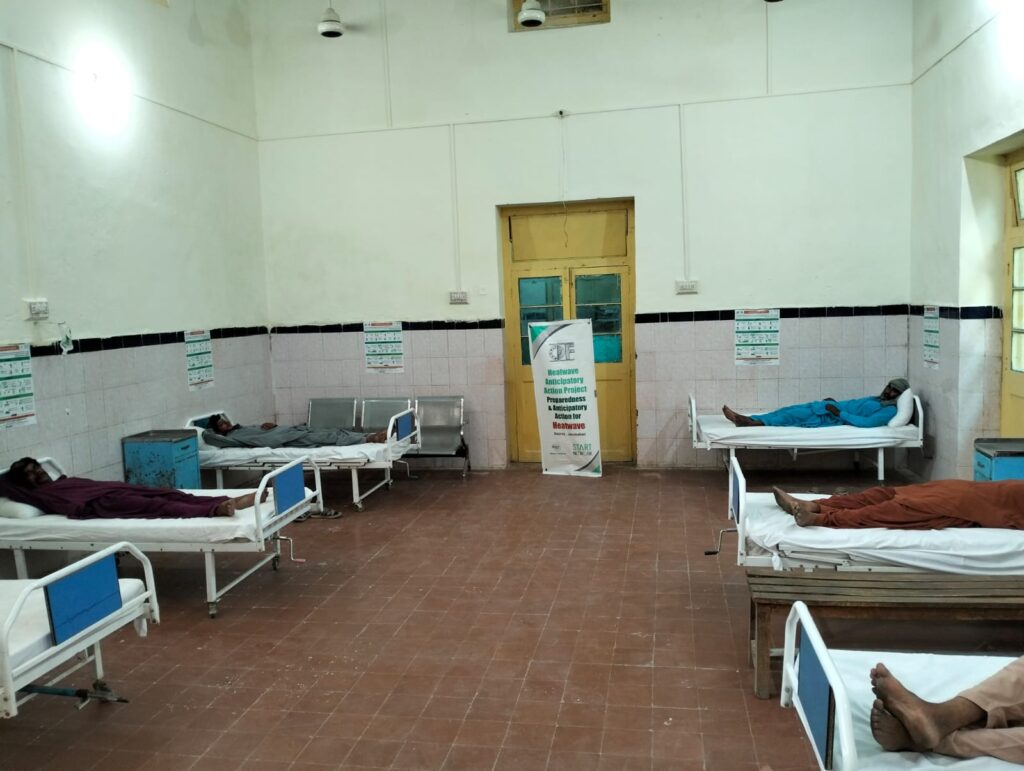
A Shield Against the Sun: The Story of CDF and Jacobabad’s Heatwave Revolution

Jacobabad, Sindh, is a city defined by its extremes. Known historically as one of the hottest inhabited places on Earth, summer temperatures here frequently soar beyond 50°C (122°F). For decades, this heat was treated as an unavoidable fact of life a “normal phenomenon.” However, beneath this stoic acceptance lay a tragic reality: every year, the

A Shield Against the Sun: The Story of CDF and Jacobabad’s Heatwave Revolution Read More »

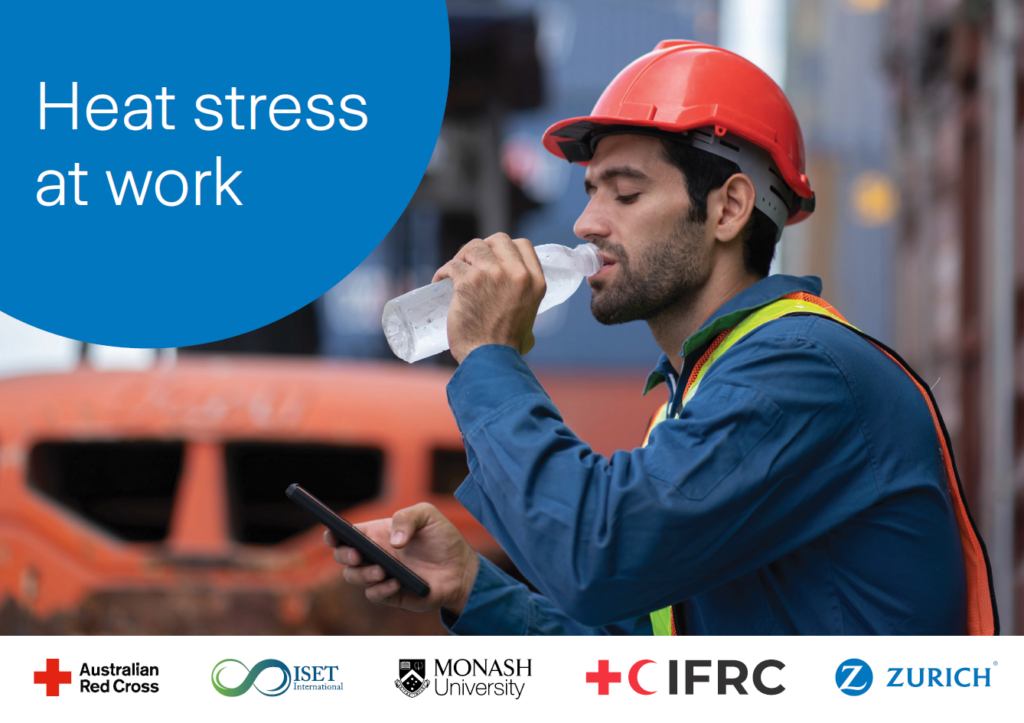
Heat Stress at Work

As temperatures rise, so do risks to workers. Heat Stress at Work examines how extreme heat affects workers across sectors, particularly those in high-exposure roles or due to existing inequalities and vulnerabilities. It analyses workplace practices, regulatory settings and economic pressures that influence risk, and highlights consequences for health, productivity and business continuity. This report

Heat Stress at Work Read More »

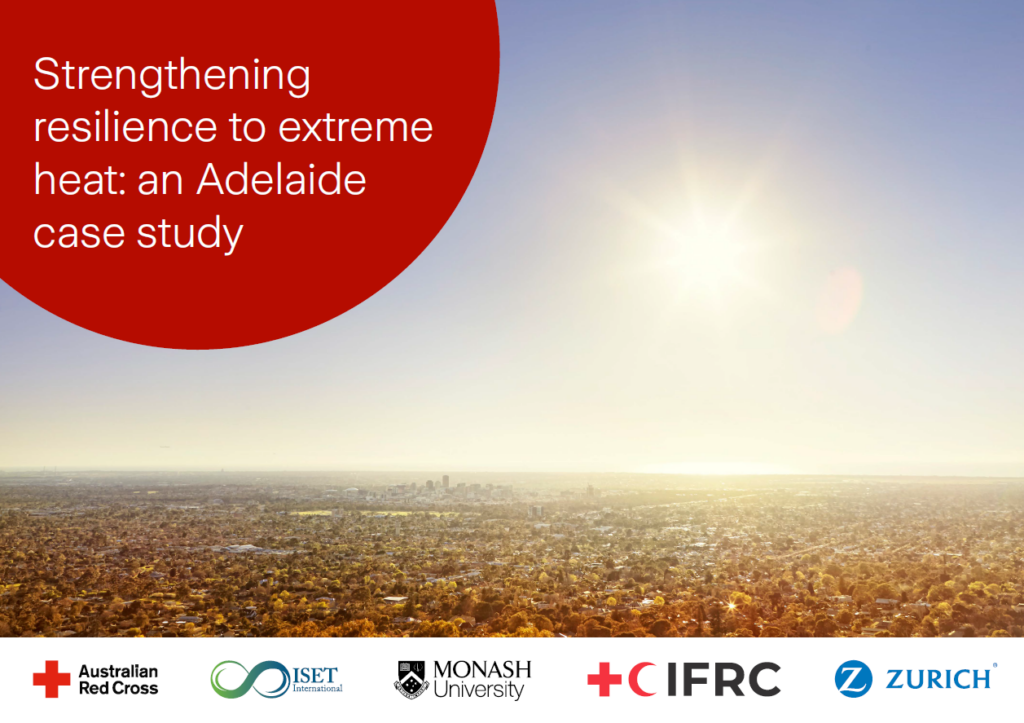
Strengthening resilience to extreme heat – an Adelaide case study

What does extreme heat risk look like in everyday life? This place-based case study explores how heat manifests in an urban context through a systems lens, examining the interconnected roles of housing and urban development, the natural environment, health, at-risk populations, workplaces and schools, disaster risk management and early warning systems, energy and critical infrastructure,

Strengthening resilience to extreme heat – an Adelaide case study Read More »

Scroll to Top