Case Study

Warnings in Violence and Conflict: Coproducing warnings with and for those most at risk

People living in places affected by violence disproportionately experience and are impacted by natural hazard-related disasters, yet they are often left without adequate early warning and response systems. Warnings are known to be best developed and implemented through people-centered approaches like coproduction.  Coproducing warnings with affected populations as target end users is necessary for inclusive […]

Warnings in Violence and Conflict: Coproducing warnings with and for those most at risk Read More »

CLIMATE CHANGE LATIN-AMERICA: IMPACTS ON VIOLENCE AFFECTED COMMUNITIES AND ACCESS TO HEALTH CARE

The underlying question in this briefing note is: How does climate change translate to communities heavily affected by organized armed violence? Is it possible to find correlations between climate change and organized criminal gangs’ ability to exert control? And if so, does this have implications on access to health care services? The aim of this

CLIMATE CHANGE LATIN-AMERICA: IMPACTS ON VIOLENCE AFFECTED COMMUNITIES AND ACCESS TO HEALTH CARE Read More »

Bangladesh Earthquake Preparedness Project

In Bangladesh German Red Cross is  supporting Bangladesh Red Crescent Society to implement an Earthquake Preparedness project for  past many years.T he project is implemented through  consortium approach having, Bangladesh Red Crescent Society, British Red Cross and two  non movement partners  such as  Action Contre  La Faim and Christian aid as downstream partners.  The second

Bangladesh Earthquake Preparedness Project Read More »

Fukushima

Following the Nuclear accident in March 2011 at the Nuclear power plant in Fukushima, Japan a number of different research material and case studies provide a better understanding of the impact and humanitarian consequences.

Fukushima Read More »

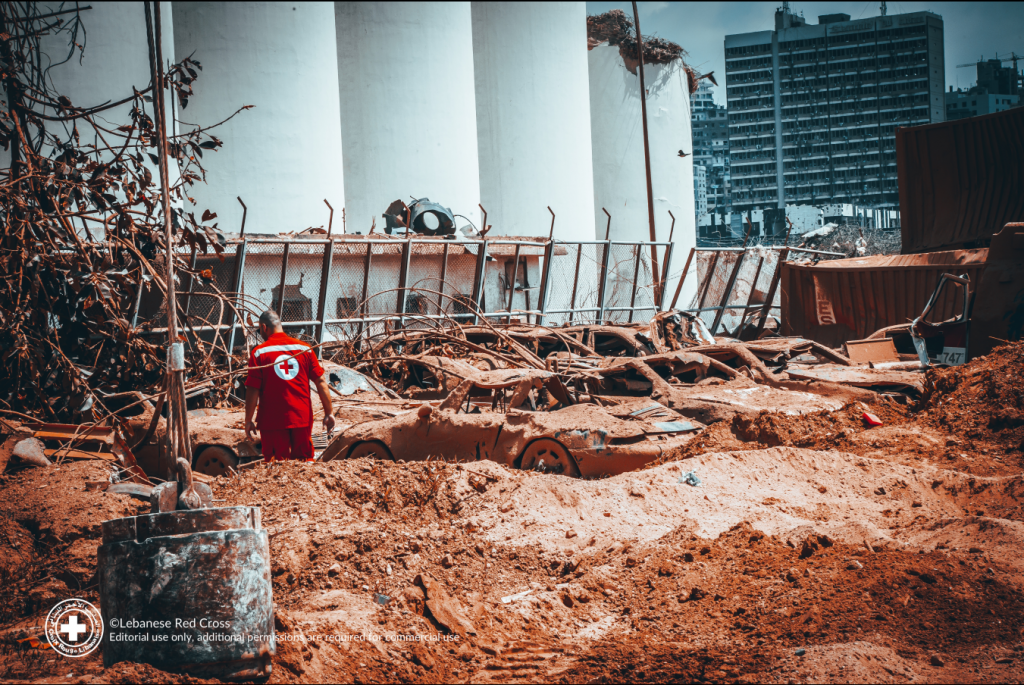
Beirut Explosion Case Study: Technological and Biological Hazards

On 4 August 2020, a huge explosion rocked the city of Beirut, shattering glass and causing extensive damage to buildings and infrastructure within a radius of three kilometres. Hundreds were killed, and many thousands of people injured. The impact of this unprecedented explosion, which registered as a 3.3 magnitude earthquake, was felt as far away

Beirut Explosion Case Study: Technological and Biological Hazards Read More »

Community Presentation of the FRMC Baseline Study in Pangasinan, Philippines

This case study describes how the data and results of the Flood Resilience Measurement for Communities (FRMC) were presented to and discussed with members of communities targeted by the Community-Based Disaster Risk Reduction Program of the Philippine Red Cross and the IFRC. The FRMC is a resilience measurement approach developed by the Zurich Flood Resilience

Community Presentation of the FRMC Baseline Study in Pangasinan, Philippines Read More »

Scroll to Top